About Munger
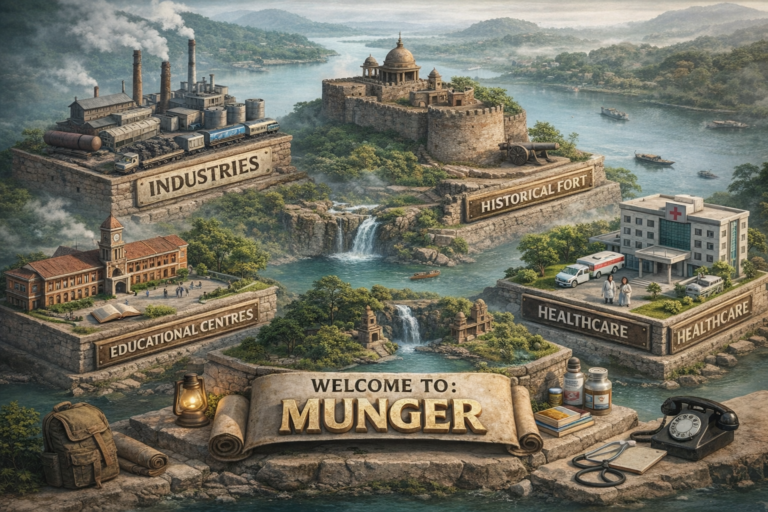
Munger is also recognized as a spiritual hub, home to the world-renowned Bihar School of Yoga, attracting visitors from across the globe. The peaceful riverfront, temples, and ghats add to the city’s serene and traditional charm.Blending history with modern development, Munger is known for its educational institutions, industries, and growing infrastructure. With its unique mix of heritage, spirituality, and natural beauty, Munger stands as one of Bihar’s most culturally rich and evolving cities.
Overview of Munger
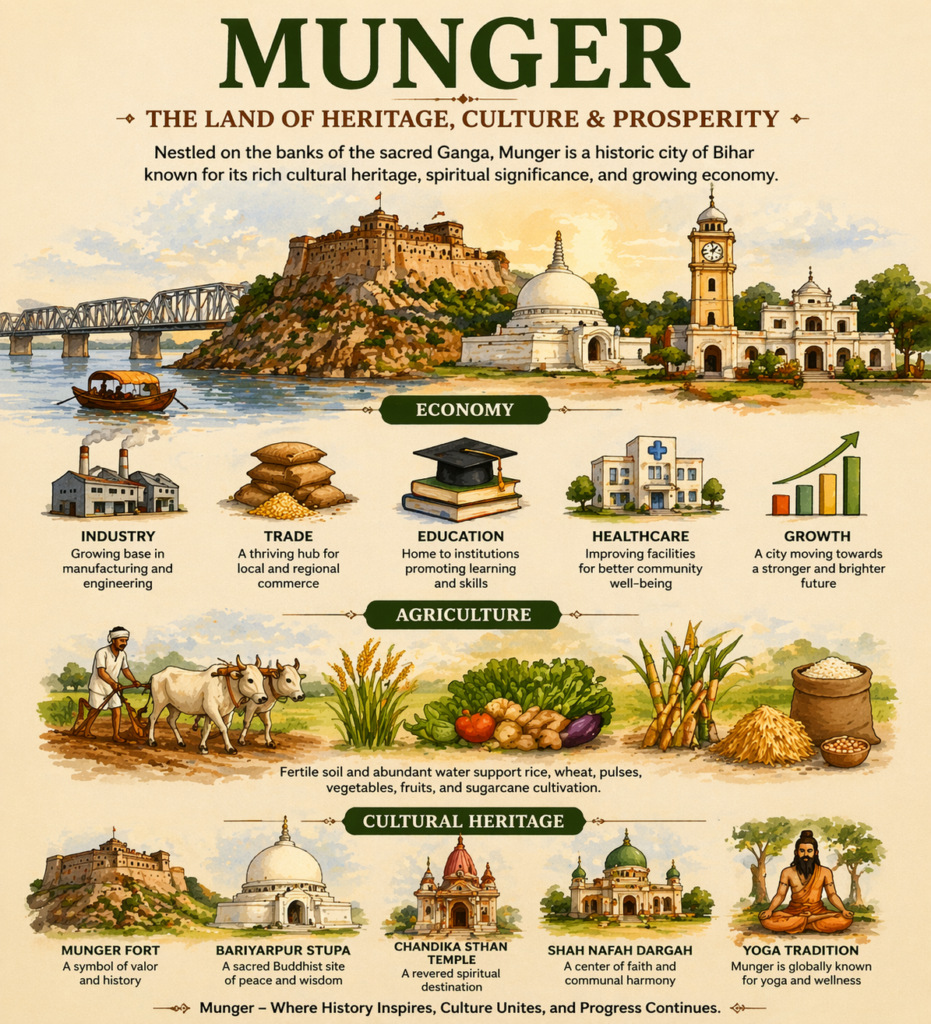
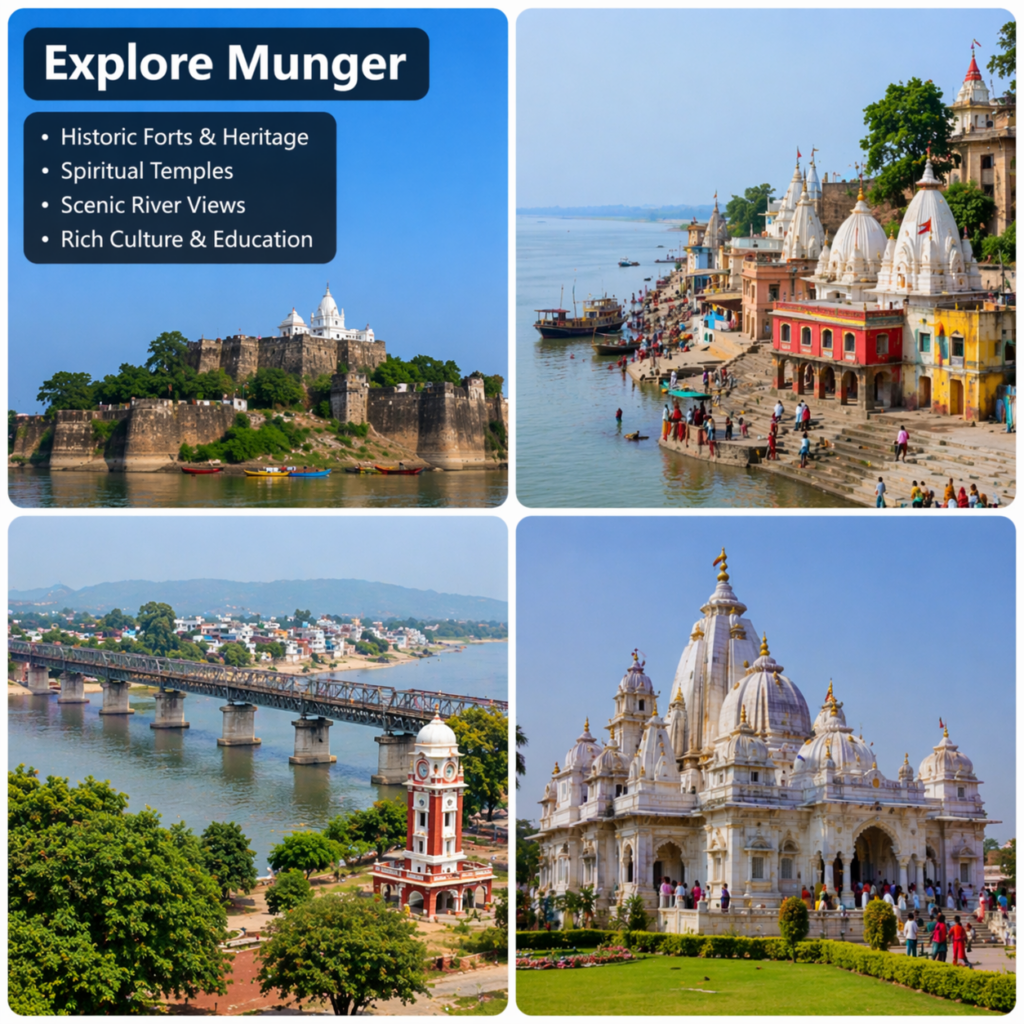
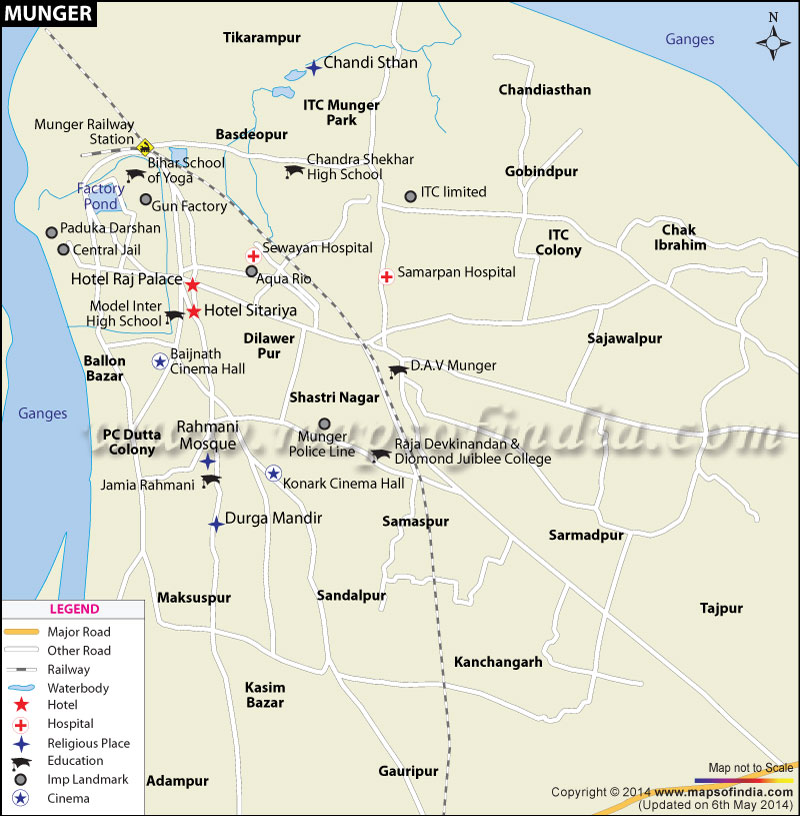
Munger is a historic and culturally rich city located in the state of Bihar, nestled along the southern banks of the sacred Ganges River. Known for its spiritual heritage, ancient architecture, and serene landscapes, Munger holds a special place in India’s historical and cultural map. Often referred to as the “Spiritual Hub of Bihar,” Munger is home to the world-renowned Bihar School of Yoga, attracting visitors and seekers from across the globe. The city beautifully blends spirituality with history, offering a peaceful environment for meditation and self-discovery.
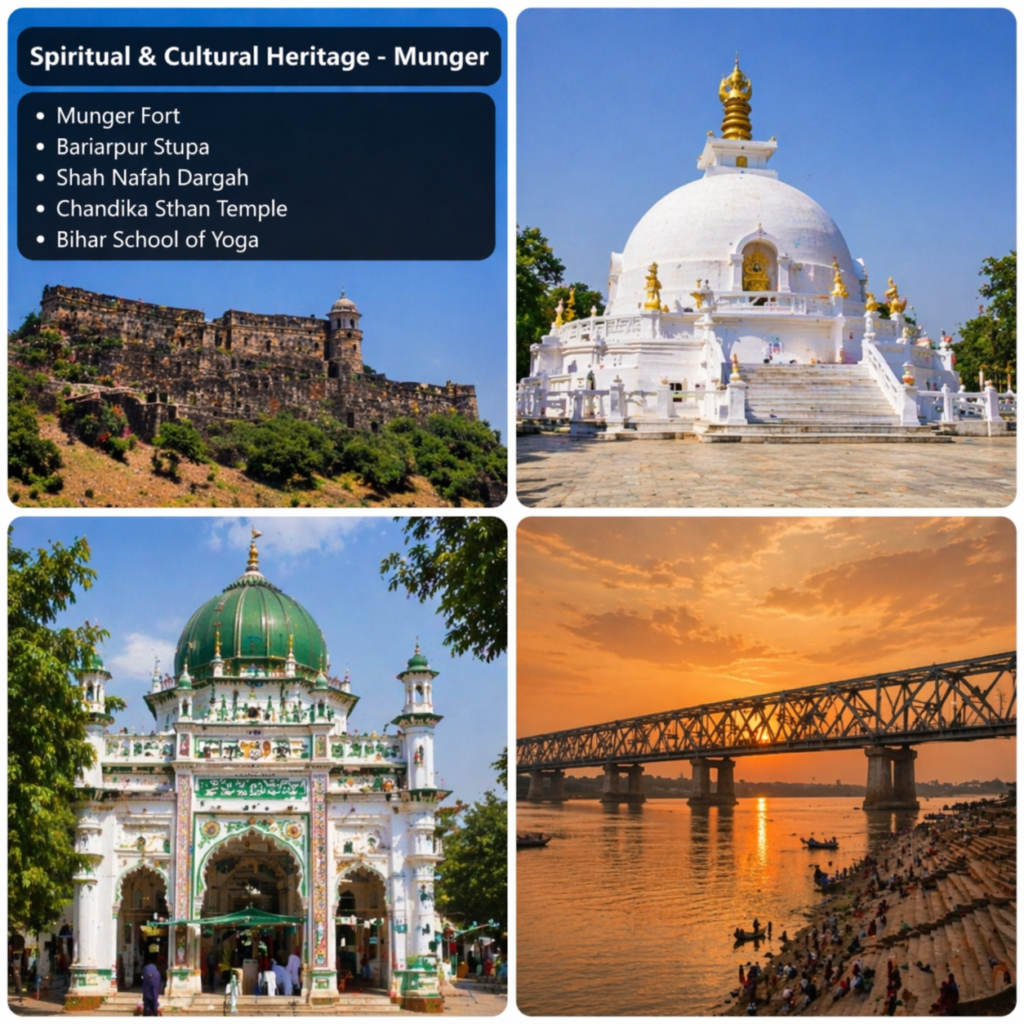
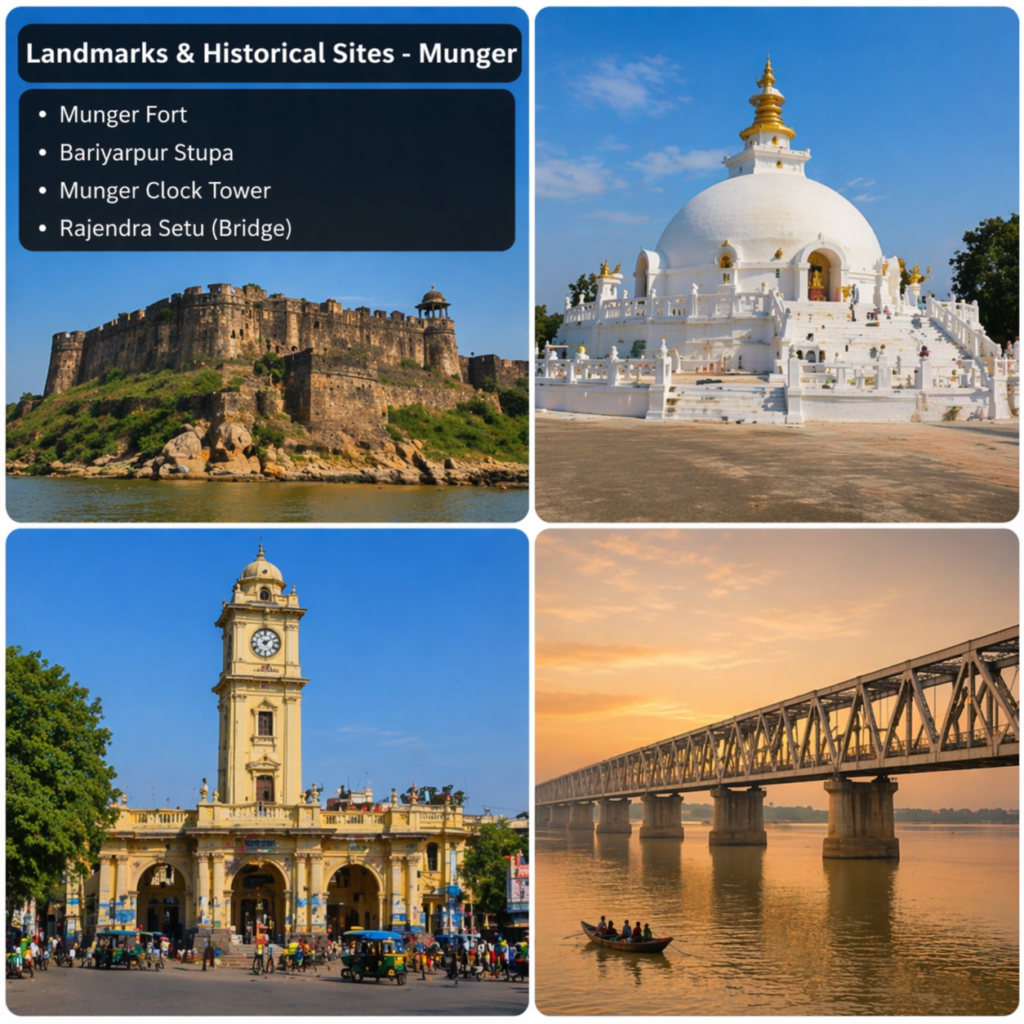
Munger’s history dates back to ancient times, with strong connections to various dynasties including the Mauryas and the Mughals. One of its most prominent landmarks is the majestic Munger Fort, which stands as a testament to the city’s glorious past. The fort complex houses several important sites, including temples, mosques, and historical structures.
The city is also known for its natural beauty, with scenic river views, lush greenery, and calm surroundings that provide a refreshing escape from busy urban life. The nearby hot springs at Sita Kund add to its spiritual and tourist appeal. Munger is not just about history and spirituality—it also has a growing urban culture, local markets, and traditional craftsmanship that reflect the vibrant lifestyle of its people.
Geography & Location
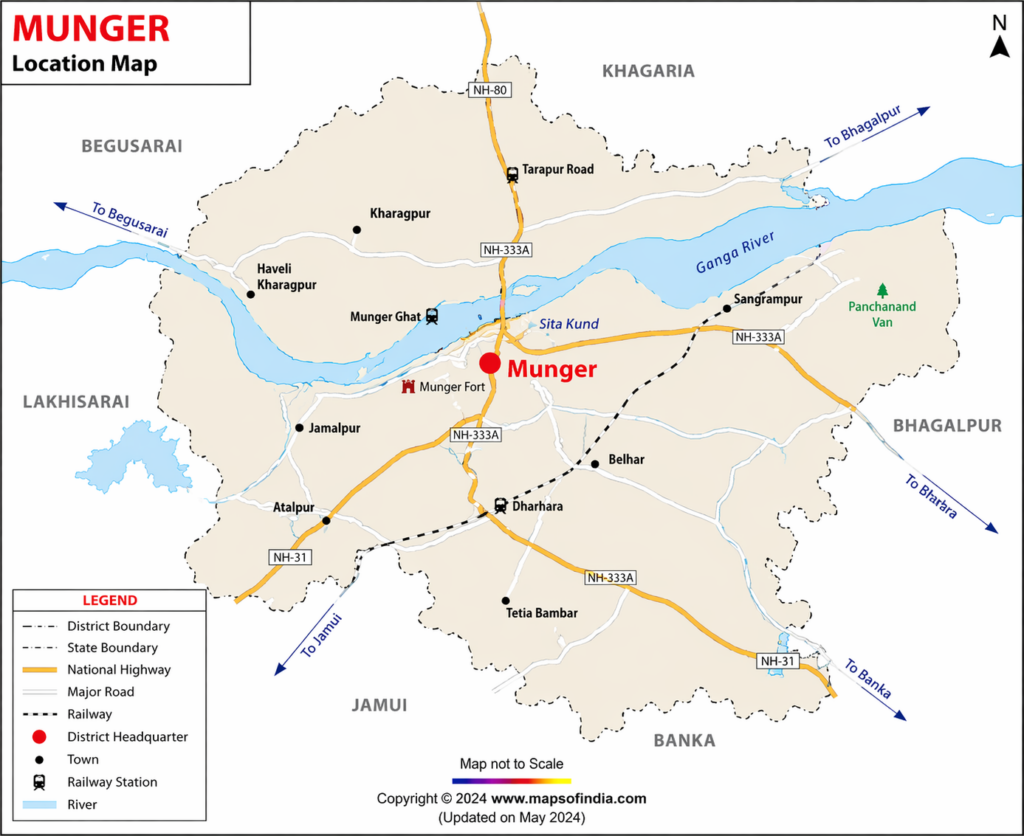
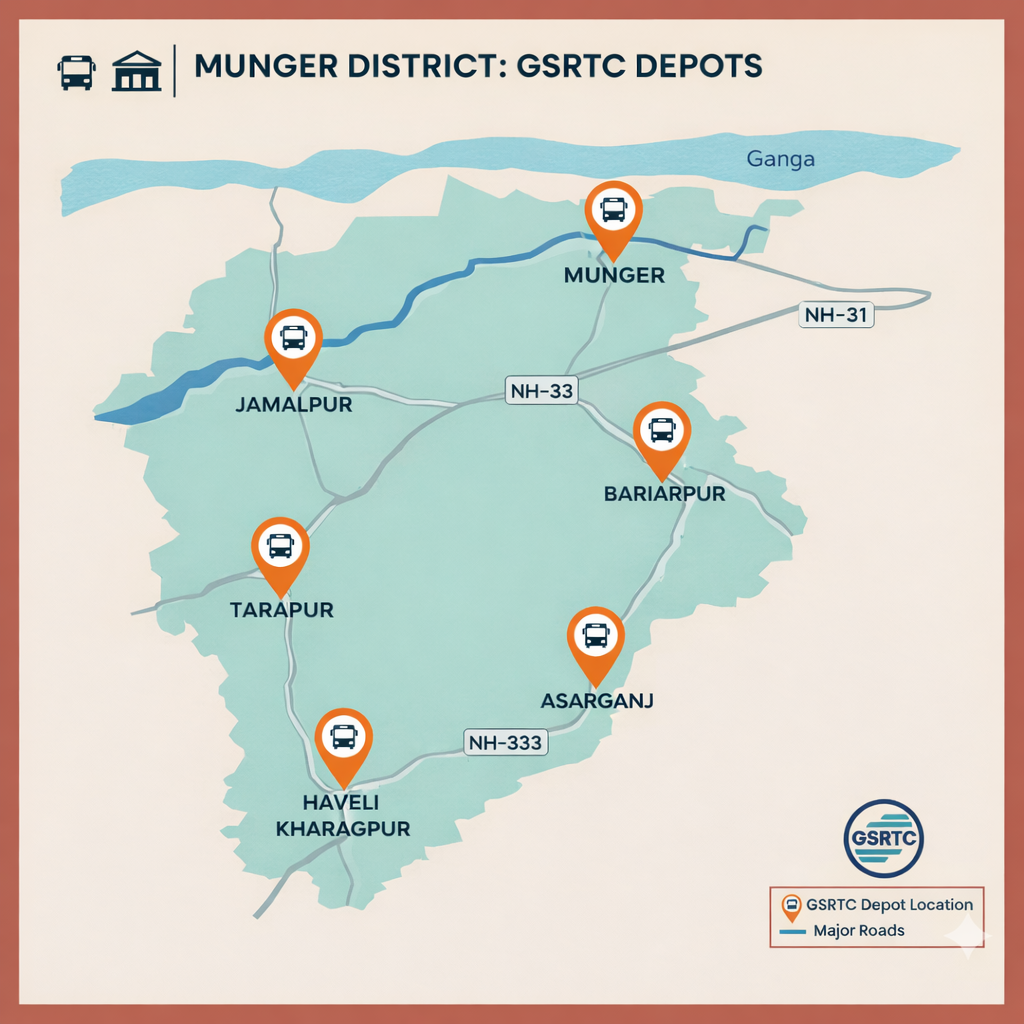
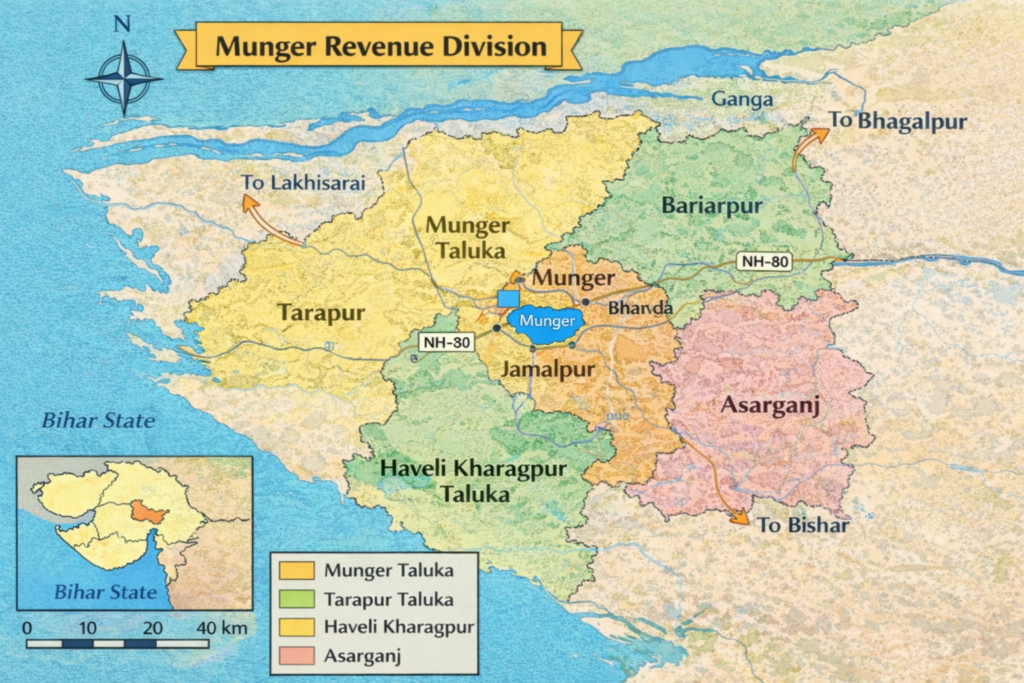
Munger District lies in the eastern part of Bihar and is bordered by:
- Khagaria in the north
- Begusarai in the northwest
- Bhagalpur in the east
- Banka in the south
- Jamui in the southwest
The mighty Ganges River flows along its northern boundary, adding to the district’s natural beauty and cultural significance.
The district features a diverse landscape of fertile plains, gentle hills, riverbanks, and historic urban settlements. Known for its spiritual atmosphere and historical landmarks, Munger blends natural serenity with cultural richness.
History & Cultural Heritage
Munger is one of the oldest cities in eastern India, located on the banks of the Ganges River, with a rich history that dates back to ancient times. Known earlier as Modagiri, it was part of the ancient Anga kingdom and is believed to have connections with early Hindu epics and sages. Over the centuries, Munger came under the rule of several powerful dynasties, including the Palas and later the rulers of the Delhi Sultanate and the Mughal Empire, making it an important administrative and cultural center. Its prominence increased significantly during the 18th century when Mir Qasim, the Nawab of Bengal, made Munger his capital and developed it into a strong military base with forts and arsenals. After the Battle of Buxar, the British East India Company took control of the region, and the city, then known as Monghyr, grew as a center for trade and administration. Following India’s independence, Munger became part of Bihar and gradually developed into a modern city known for its industrial activities, cultural heritage, and spiritual importance, especially with the presence of institutions like the Bihar School of Yoga.
The city gained special importance in the 18th century when Mir Qasim made it his capital and developed strong fortifications, turning it into a major military center. However, after the Battle of Buxar, the British took control, and Munger—then known as Monghyr—became a center for trade and governance. Today, Munger is recognized not only for its historical legacy but also for its industrial development, spiritual significance, and institutions like the Bihar School of Yoga, which attract visitors from around the world.
Agriculture-The backbone of Munger
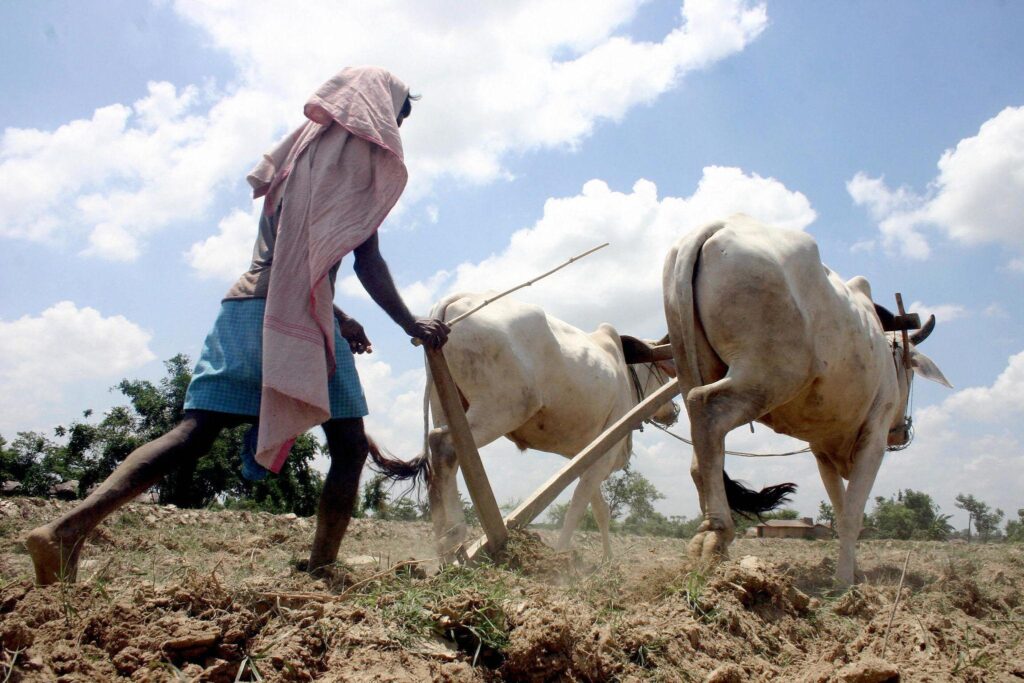
Agriculture is a vital part of Munger’s economy. The region lies in the fertile plains of the Ganga basin, where farming benefits from rich alluvial soil, adequate rainfall, and river-based irrigation. Unlike arid regions, Munger supports diverse crops due to its favorable climate and water availability.
Farmers rely on a combination of monsoon rainfall, canals, and groundwater irrigation, along with modern farming techniques. The district continues to improve productivity through better seeds, fertilizers, and agricultural practices.
- Major Crops Include:
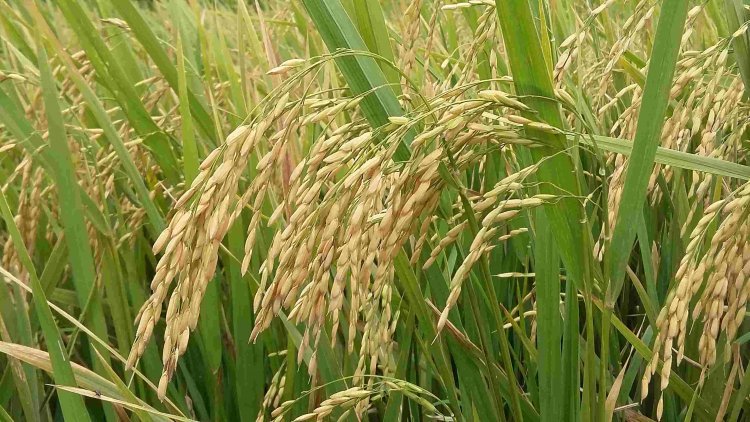
Rice (Paddy) – the most important and widely grown crop
Wheat – a major rabi crop cultivated in winter
Maize – grown extensively across the region
Pulses (Lentils, Gram) – important for food and soil health
Vegetables – potato, onion, brinjal, cauliflower, etc.
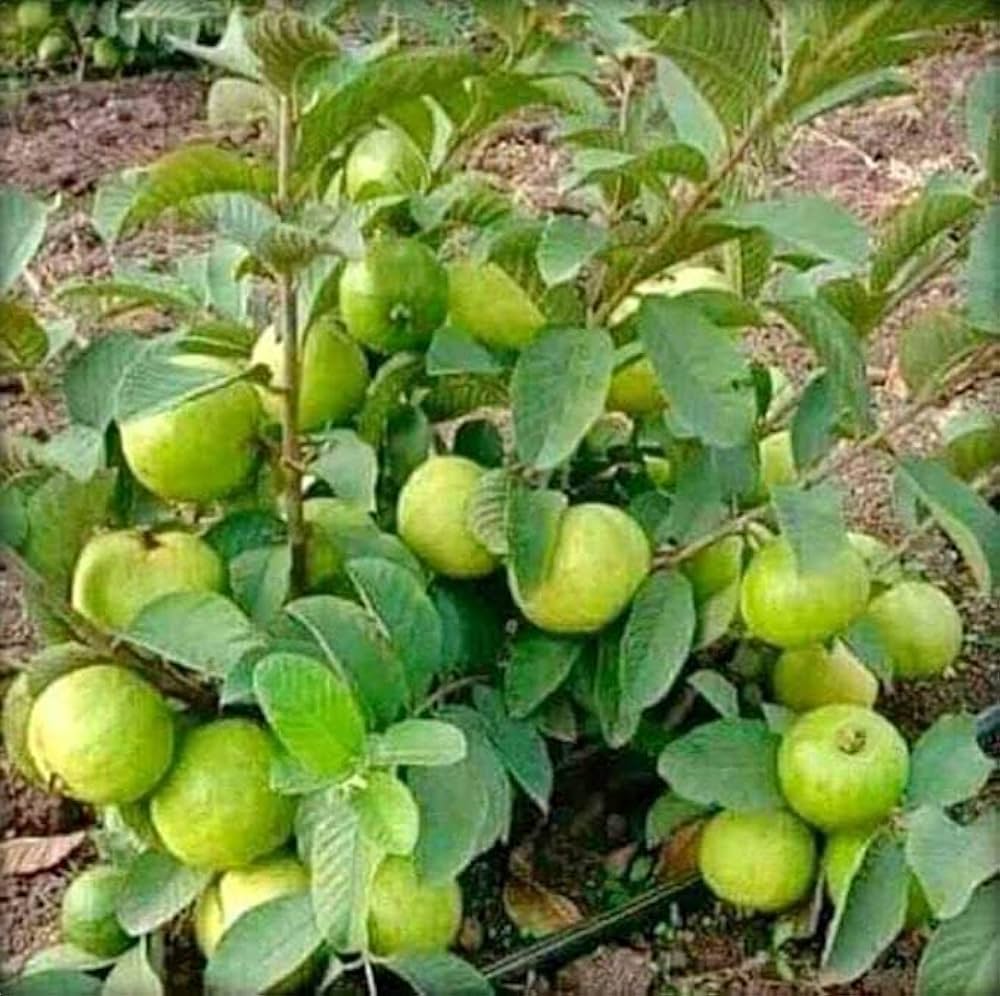
Fruits – banana, mango, and guava cultivation
Oilseeds – mustard and sesame grown in some areas
Sugarcane – cultivated in suitable irrigated zone.
Economic Strenths of Munger District
Agriculture Backbone
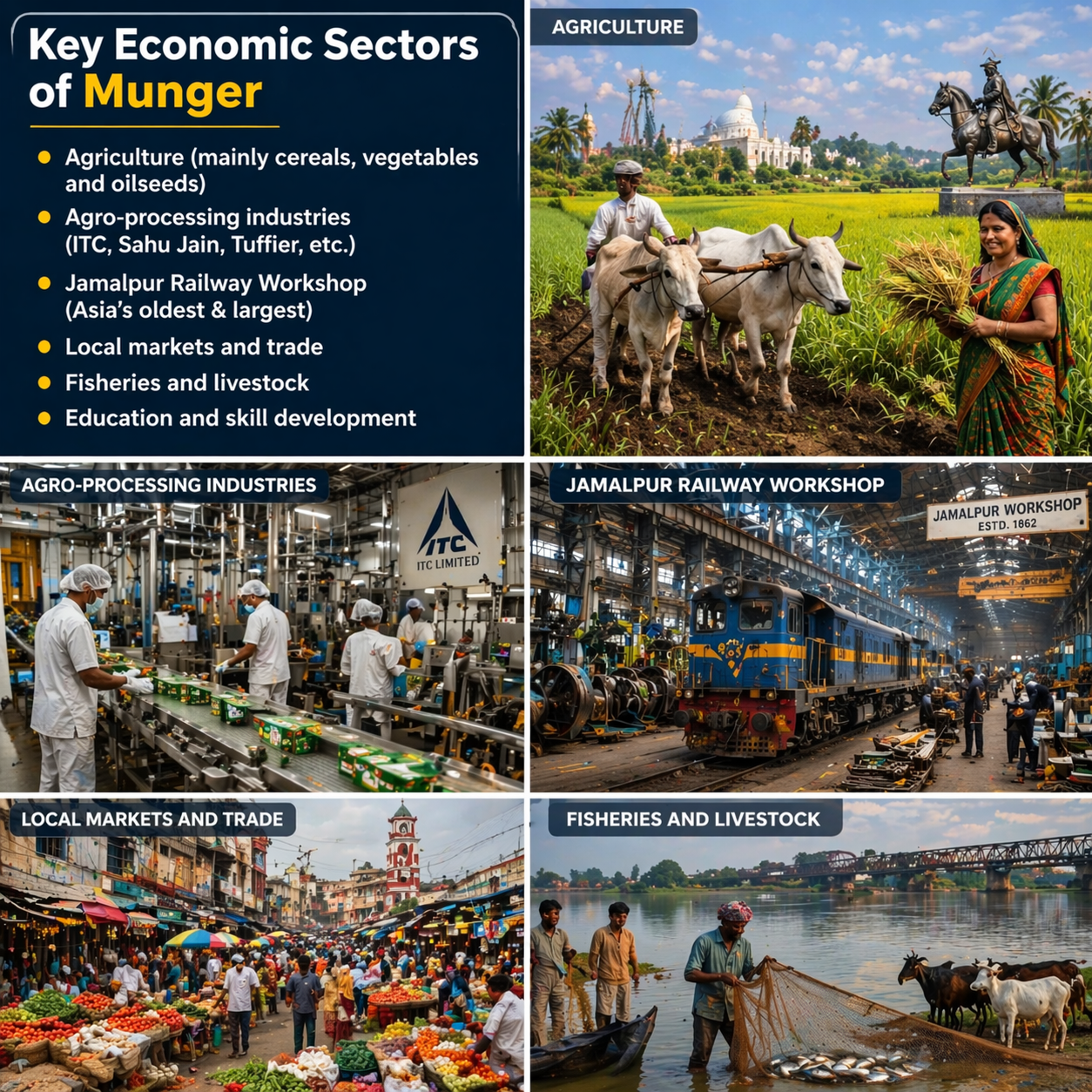
Agriculture is the primary source of livelihood in Munger. The fertile soil and availability of water from the Ganga River support the cultivation of crops such as rice, wheat, maize, pulses, and oilseeds. Farming activities contribute significantly to the rural economy and food production.
Industrial Development
Munger has a developing industrial sector with several agro-processing industries and manufacturing units. The presence of companies like ITC and other local industries helps in processing agricultural products and creating employment opportunities.
Jamalpur Railway Workshop
One of the major economic strengths of the district is the Jamalpur Railway Workshop, one of the oldest and largest railway workshops in Asia. It plays a key role in railway maintenance, engineering, and employment generation, contributing to the district’s industrial growth.
Trade and Local Markets
Munger has active local markets and trading centers where agricultural products, textiles, and daily goods are exchanged. These markets support small businesses, traders, and entrepreneurs, strengthening the local economy.
Fisheries and Livestock
The presence of the Ganga River and nearby water bodies supports fisheries, while livestock farming adds another source of income for rural households. These sectors help in improving rural livelihoods.
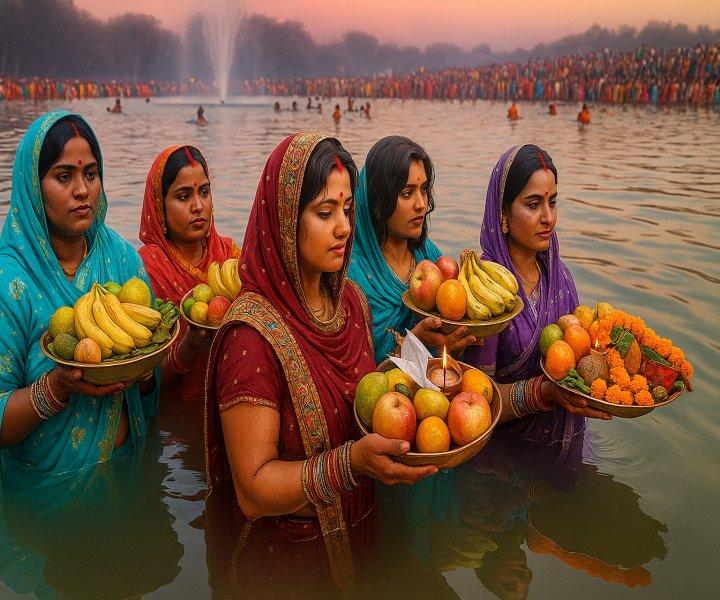
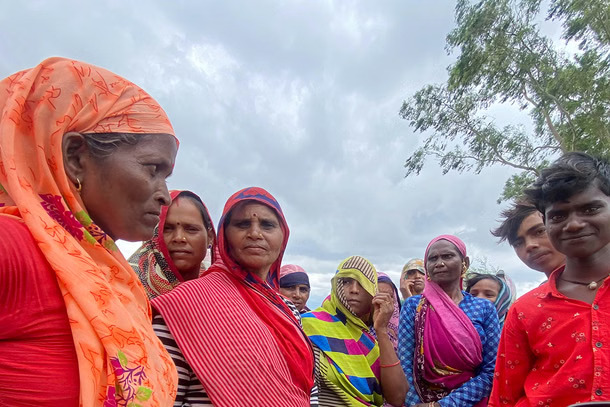
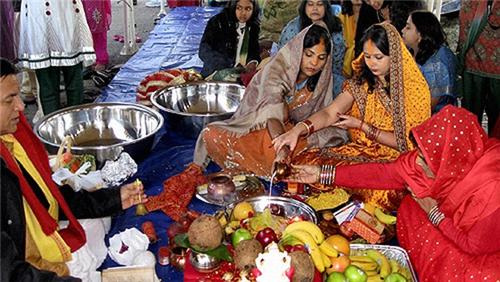
Culture & People of Munger
Tourism & Attractions
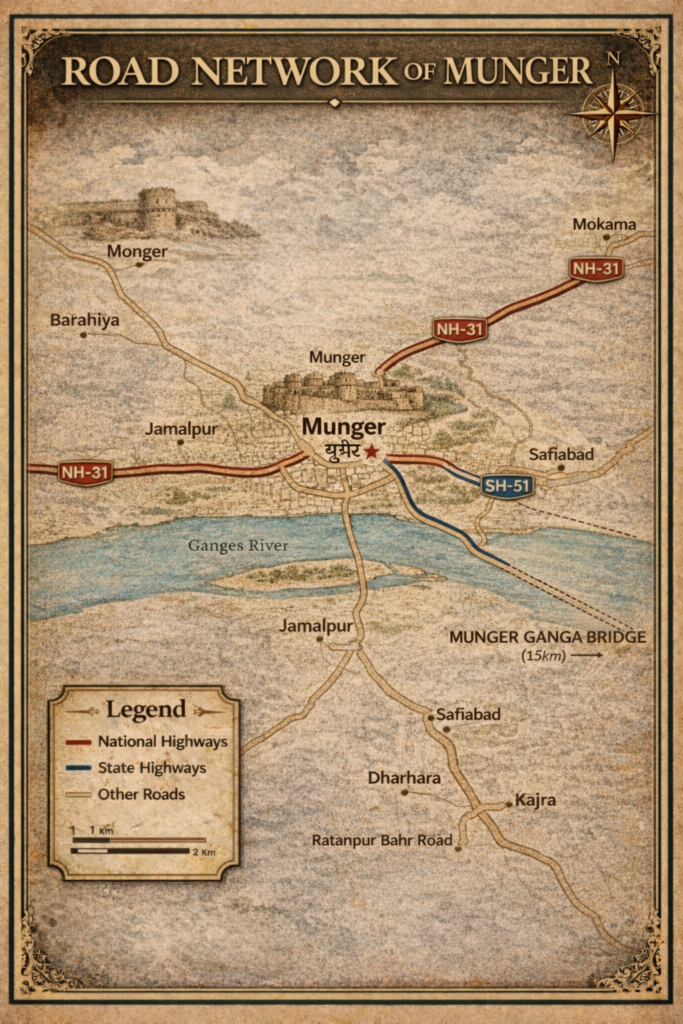
Connectivity & Infrastructure
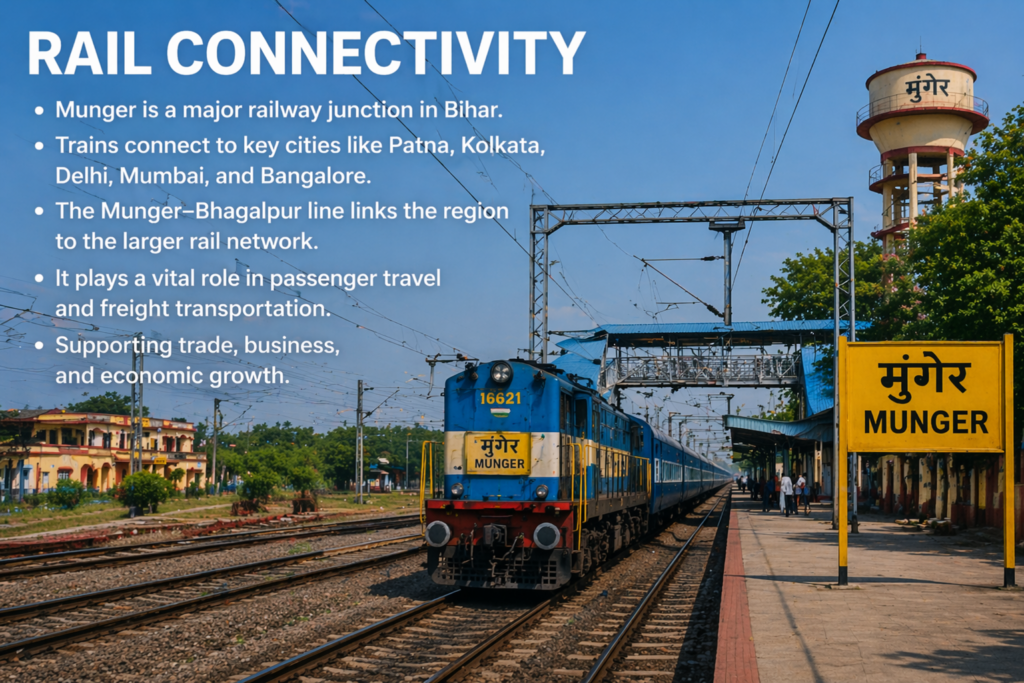
Rail Connectivity
Port Area-Munger
Munger, located in Bihar, does not have a seaport, but it has an important inland river port on the banks of the Ganga River. This river port is part of National Waterway 1, one of the longest and most significant inland waterways in India, which connects Varanasi to Kolkata. The port in Munger is managed by the Inland Waterways Authority of India and plays a key role in promoting water-based transportation.
The Munger river port is mainly used for the transportation of goods such as agricultural produce, construction materials, and other local products. It helps reduce the pressure on road and rail transport by providing a cost-effective and environmentally friendly alternative. In addition to trade, the port also supports tourism activities, including river cruises along the Ganga, offering scenic views and access to nearby attractions like the historic riverfront areas of Munger.